
Exploring the world of skylights in home design, this guide dives into the best practices for seamless integration. From different types of skylights to energy efficiency considerations, this is your go-to resource for illuminating your living space.
Types of Skylights
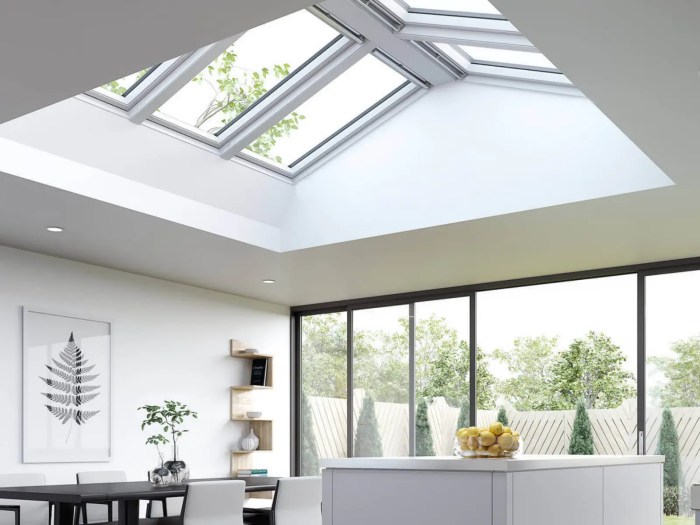
Skylights are a popular choice for bringing natural light into homes, creating a brighter and more inviting living space. There are several types of skylights available, each with its own unique features and benefits.Fixed Skylights:Fixed skylights are the most common type and are stationary, meaning they cannot be opened.
They are typically installed in rooms where ventilation is not a priority, such as hallways or closets. Fixed skylights are great for bringing in natural light and can help reduce the need for artificial lighting during the day. However, they do not provide ventilation and can sometimes lead to heat buildup in the summer.Ventilating Skylights:Ventilating skylights, on the other hand, can be opened to allow for air circulation and help regulate indoor temperature.
These skylights are ideal for areas like kitchens and bathrooms where ventilation is important. Ventilating skylights can improve indoor air quality and reduce the risk of mold and mildew. However, they may be more prone to leaks if not properly installed and maintained.Tubular Skylights:Tubular skylights are a smaller, more compact option that can fit into tight spaces where traditional skylights may not be feasible.
They use a reflective tube to capture and redirect sunlight into the room, making them a great choice for rooms with limited roof space. Tubular skylights are energy-efficient and can help reduce the need for artificial lighting during the day.
However, they may not provide as much natural light as larger skylights.Overall, the best type of skylight for your home will depend on your specific needs and the layout of your space. Consider factors such as ventilation, natural light, energy efficiency, and maintenance requirements when choosing the right skylight for your home.
Skylight Placement and Design
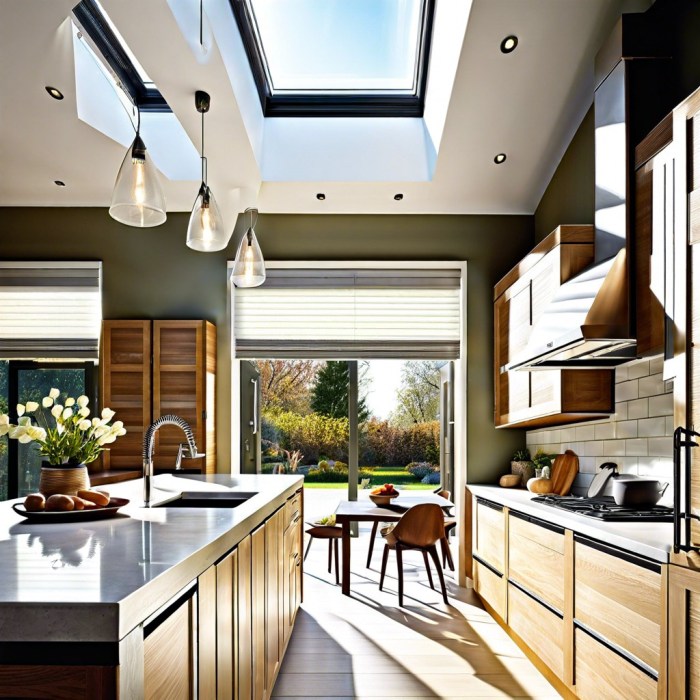
Determining the best location for skylights in a home is crucial to maximizing natural light and enhancing the overall aesthetic. Skylight placement plays a significant role in how light is distributed throughout the space, impacting the ambiance and energy efficiency of the home.
Integrating skylights seamlessly into different room designs requires careful consideration of the room layout, orientation, and purpose.
Optimizing Natural Light Distribution
Skylights should be strategically placed to allow natural light to flow into the room evenly throughout the day. Consider the position of the sun and how it moves across the sky to determine the best placement for maximum light exposure.
In rooms where natural light is essential, such as living spaces and kitchens, skylights can be placed in the center of the room or along a wall to ensure a well-lit environment.
Seamless Integration into Room Designs
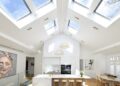
When integrating skylights into different room designs, it's essential to consider the overall aesthetic and functionality of the space. Skylights can be incorporated into vaulted ceilings to create a dramatic focal point or added to smaller rooms to make them feel more spacious.
For bathrooms and bedrooms, skylights can provide natural light without compromising privacy. Choose skylight designs that complement the existing architecture and style of the home for a cohesive look.
Energy Efficiency
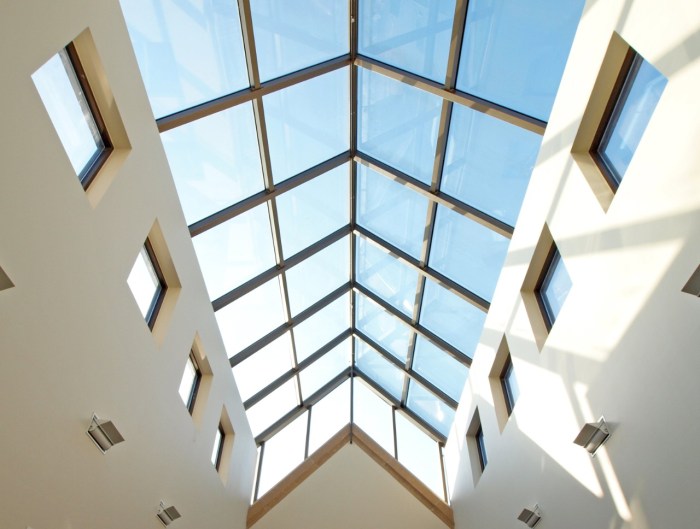
Skylights play a crucial role in enhancing energy efficiency in homes by allowing natural light to enter, reducing the need for artificial lighting during the day. This can lead to lower electricity consumption and energy bills, contributing to a more sustainable living environment.
Energy-Efficient Glazing Options
When selecting skylights for optimal energy efficiency, it is essential to consider the type of glazing used. Some energy-efficient glazing options include:
- Low-E Coatings: These coatings help in reflecting heat during hot weather and trapping heat during colder months, reducing the energy required for heating and cooling.
- Double or Triple Glazing: Multiple layers of glass with insulating gas in between provide better thermal efficiency, reducing heat transfer and energy loss.
- Gas Fills: Argon or krypton gas fills between glazing layers enhance insulation, improving the overall energy performance of the skylight.
Selecting Skylight Features for Energy Savings
When choosing skylight features for optimal energy savings, consider the following tips:
- Size and Placement: Opt for the right size and placement of skylights to maximize natural light while minimizing heat gain or loss.
- Solar Heat Gain Coefficient (SHGC): Look for skylights with a low SHGC to reduce heat gain in warmer climates.
- UV Protection: Select skylights with UV-protective coatings to prevent furniture and flooring from fading due to sunlight exposure.
- Ventilation Options: Consider skylights with ventilation features to improve air circulation and reduce the need for mechanical cooling.
Installation and Maintenance
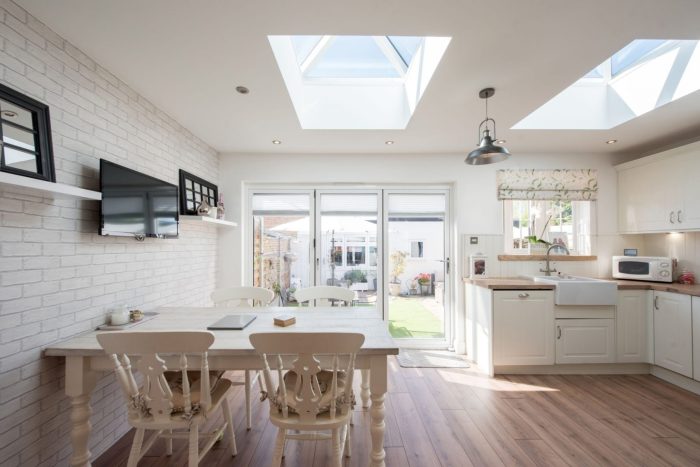
Installing and maintaining skylights in residential settings is crucial to ensure they function effectively and enhance the overall aesthetic of the home.
Installation Process
- Begin by selecting the appropriate skylight type and size based on the room's dimensions and the amount of natural light desired.
- Prepare the roof opening carefully, following manufacturer's instructions, to ensure a proper fit for the skylight.
- Securely install the skylight frame, flashing, and sealant to prevent leaks and ensure durability.
- Test the skylight for proper operation and adjust if necessary to guarantee smooth opening and closing.
Maintenance Practices
- Regularly clean the skylight both inside and outside to remove dirt, dust, and debris that can obstruct light and hinder visibility.
- Inspect the seals and flashing for any signs of damage or wear, and repair or replace as needed to prevent leaks.
- Check for condensation or fogging between panes, which may indicate a broken seal that requires professional attention.
- Trim any branches or foliage near the skylight to prevent damage from falling debris or excessive shade that blocks natural light.
Troubleshooting Common Issues
- If the skylight is leaking, check the flashing and seals for gaps or damage, and reseal or repair as necessary to stop water infiltration.
- If the skylight is not opening or closing smoothly, lubricate the hinges and tracks with a silicone-based lubricant to facilitate movement.
- If there is excessive condensation on the skylight, ensure proper ventilation in the room to reduce humidity levels and prevent moisture buildup.
- If the skylight is cracked or damaged, contact a professional installer or manufacturer for repair or replacement to maintain the integrity of the skylight.
Wrap-Up
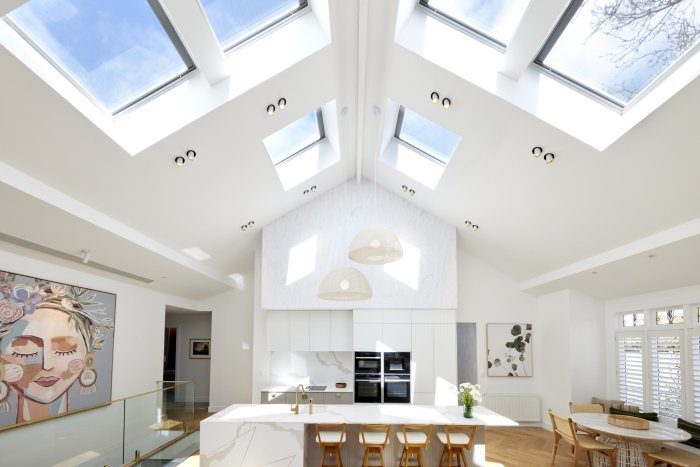
As we conclude our discussion on skylight integration for homes, remember that the right skylight can truly transform your living environment. With the insights shared here, you're equipped to make informed decisions and bask in the natural light.
FAQ
How do I choose the best type of skylight for my home?
Consider factors like room size, roof pitch, and desired lighting effects to determine the most suitable skylight type.
What are the key benefits of integrating skylights into homes?
Skylights can increase natural light, improve ventilation, and add a sense of spaciousness to indoor spaces.
Are skylights energy-efficient?
Yes, energy-efficient skylights with low-E coatings and insulated glazing can help reduce heating and cooling costs.