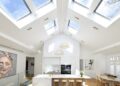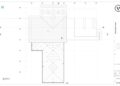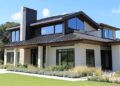

Exploring the world of top architectural roofing in America unveils a fascinating realm where innovation and design converge to create stunning building aesthetics. From the materials used to iconic structures showcasing different styles, this guide delves into the essence of architectural roofing.
Delve into the nuances of architectural roofing materials, designs, installation practices, and maintenance tips to gain a deeper understanding of this crucial aspect of construction.
Overview of Architectural Roofing
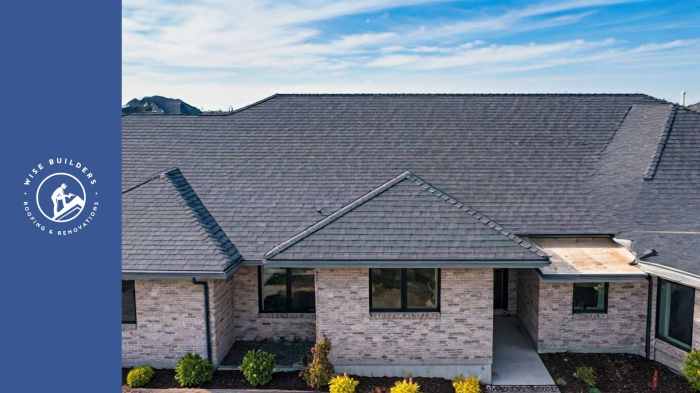
Architectural roofing is a type of roofing design that goes beyond mere functionality to enhance the overall aesthetic appeal of a building. It combines both practicality and visual appeal to create a unique and eye-catching roof structure.
Key Features of Architectural Roofing
- Distinctive Design: Architectural roofing often features intricate designs, shapes, and patterns that set it apart from traditional roofing styles.
- High-Quality Materials: The use of premium materials such as copper, slate, or clay tiles is common in architectural roofing, ensuring durability and longevity.
- Customization Options: Architectural roofing allows for a high degree of customization, allowing homeowners to tailor the roof design to their specific preferences.
- Visual Impact: Architectural roofing adds visual interest and curb appeal to a building, making it stand out in the neighborhood.
Importance of Architectural Roofing
Architectural roofing plays a crucial role in enhancing the overall look and feel of a building. It not only protects the structure from the elements but also adds character and charm, increasing the property's value and desirability.
Types of Architectural Roofing Materials
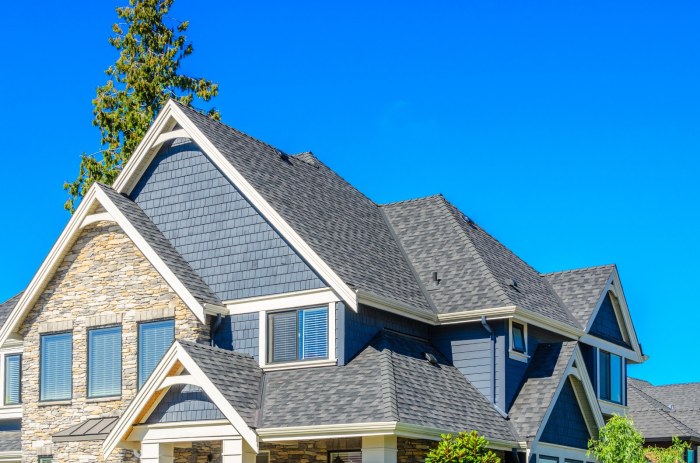
Architectural roofing in America utilizes a variety of materials to achieve both aesthetic appeal and functionality. Each material offers unique characteristics in terms of durability, cost, and design versatility.
Asphalt Shingles
Asphalt shingles are one of the most common roofing materials used in America. They are cost-effective, easy to install, and come in a wide range of colors and styles. However, they may have a shorter lifespan compared to other materials.
Metal Roofing
Metal roofing is known for its durability and longevity. It is resistant to fire, mildew, insects, and rot. Metal roofs can be made from steel, aluminum, copper, or zinc, offering a variety of design options. While metal roofing can be more expensive upfront, it is a long-term investment due to its durability.
Wood Shakes or Shingles
Wood shakes or shingles provide a natural and rustic look to a building. They are environmentally friendly and offer good insulation. However, they may require more maintenance and have a shorter lifespan compared to other materials.
Slate Roofing
Slate roofing is renowned for its elegance and durability. It can last for decades and is resistant to fire and insects. However, slate roofing can be heavy and expensive, requiring a strong roof structure to support it.
Clay or Concrete Tiles
Clay or concrete tiles are popular for their durability and longevity. They are available in various colors and styles, adding a distinctive look to a building. However, they can be heavy and may require additional support for the roof structure.
Examples of Iconic Buildings
- The White House in Washington D.C. showcases a slate roof, emphasizing durability and elegance.
- The Empire State Building in New York City features a metal roof, highlighting longevity and resistance to harsh weather conditions.
- The Biltmore Estate in North Carolina boasts clay tiles, adding a touch of Mediterranean style and durability to the architecture.
Architectural Roofing Designs and Styles
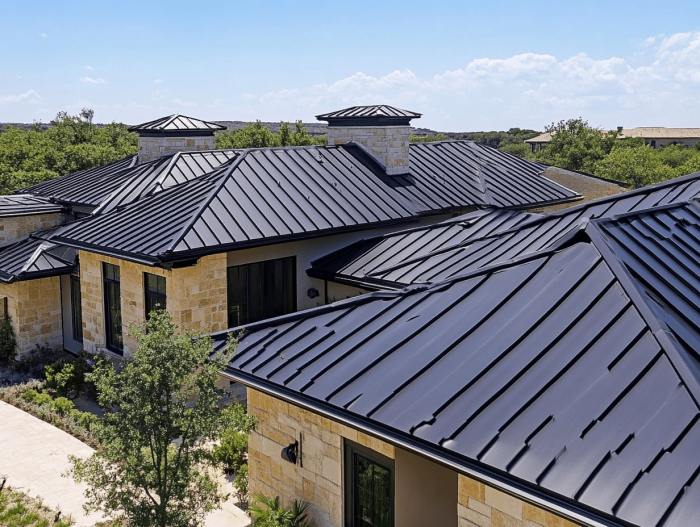
When it comes to architectural roofing designs and styles in America, there is a wide range of options to choose from. These designs not only serve a functional purpose of protecting the building but also contribute greatly to its overall aesthetics.
Popular Architectural Roofing Designs
- Gable Roof: One of the most common roof designs in America, featuring two sloping sides that come together at a ridge.
- Hip Roof: All four sides of the roof slope downwards to the walls, creating a more stable structure.
- Flat Roof: Though not as common in residential buildings, flat roofs offer a modern and minimalist aesthetic.
- Mansard Roof: Known for its distinct double slope on all four sides, allowing for extra living space in the attic.
Architectural Elements for Visually Appealing Roof Design
- Roof Pitch: The angle of the roof slope greatly impacts the overall look and functionality of the roof.
- Materials: Choosing high-quality roofing materials such as slate, metal, or clay tiles can enhance the visual appeal of the roof.
- Color: Selecting the right color that complements the overall exterior of the building is crucial for a visually appealing design.
- Texture: Incorporating texture through materials like cedar shakes or shingles can add depth and character to the roof.
Complementing Architectural Styles
- Modern Architecture: Flat or low-sloped roofs are often seen in modern designs, emphasizing clean lines and minimalism.
- Traditional Architecture: Gable or hip roofs are commonly found in traditional homes, reflecting a classic and timeless look.
- Contemporary Architecture: Combining elements of modern and traditional styles, contemporary homes may feature a mix of different roofing designs for a unique aesthetic.
Installation and Maintenance of Architectural Roofing
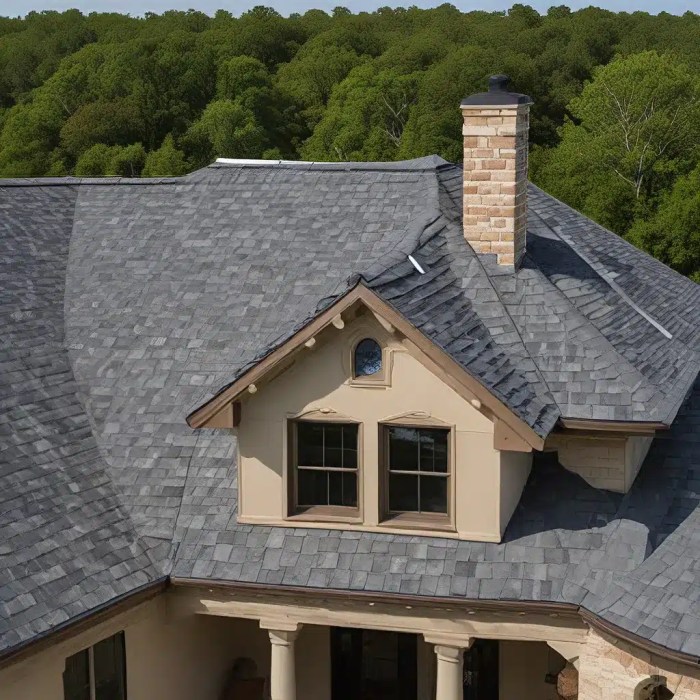
When it comes to architectural roofing, proper installation and maintenance are crucial to ensure the longevity and performance of the roof. Here, we will discuss the best practices for installation, the importance of regular maintenance, and tips for homeowners on choosing the right contractor.
Best Practices for Installing Architectural Roofing
- Ensure that the roof deck is structurally sound and free of any damage before installation begins.
- Follow manufacturer's guidelines and recommendations for installation to ensure proper performance.
- Use high-quality materials and ensure that all components are installed correctly to prevent leaks and other issues.
- Consider hiring a professional roofing contractor with experience in installing architectural roofing for best results.
Importance of Regular Maintenance
Regular maintenance is essential to prolong the lifespan of architectural roofing and prevent costly repairs. Here are some key reasons why maintenance is important:
- Regular inspections can help identify and address small issues before they escalate into larger problems.
- Cleaning debris and maintaining gutters can prevent water damage and prolong the life of the roof.
- Regular maintenance can help preserve the aesthetic appeal of the roof and enhance the overall curb appeal of the home.
Tips for Choosing the Right Contractor
Choosing the right contractor for installing and maintaining architectural roofing is crucial. Here are some tips for homeowners to consider:
- Research and gather recommendations from trusted sources before selecting a contractor.
- Verify the contractor's credentials, licenses, and insurance to ensure they are qualified for the job.
- Ask for references and examples of past work to gauge the contractor's experience and quality of work.
- Get detailed written estimates and contracts outlining the scope of work, materials, and timeline for the project.
Last Recap
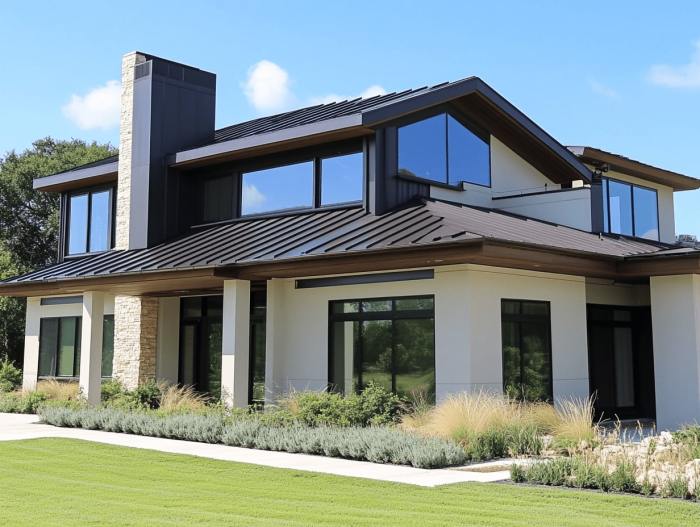
As we conclude our journey through the realm of top architectural roofing in America, we reflect on the artistry and functionality that define this essential component of architectural design. From iconic buildings to modern trends, the world of architectural roofing continues to inspire and captivate, shaping the skyline of America.
Essential FAQs
What are the key features that distinguish architectural roofing from regular roofing?
Architectural roofing typically involves unique design elements, intricate patterns, and a focus on aesthetics, setting it apart from traditional roofing styles.
How can homeowners choose the right contractor for installing and maintaining architectural roofing?
Homeowners should research prospective contractors, check references, verify licenses and insurance, and request detailed quotes before making a decision.