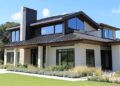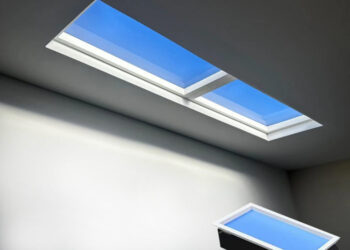

Exploring the realm of high efficiency roof plans, this overview delves into the various types, materials, installation techniques, and maintenance strategies. Through a detailed examination of each aspect, readers will gain valuable insights into creating sustainable and effective roofing solutions.
This guide aims to provide a thorough understanding of high efficiency roof plans, offering practical advice and expert recommendations for achieving optimal results.
Types of High Efficiency Roof Plans
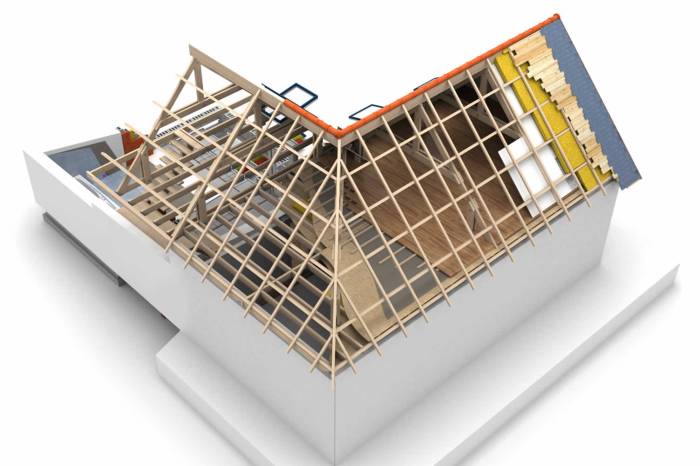
High efficiency roof plans are essential for optimizing energy usage and reducing environmental impact. There are several types of high efficiency roof plans that are commonly used in different climates and regions.
Green Roof
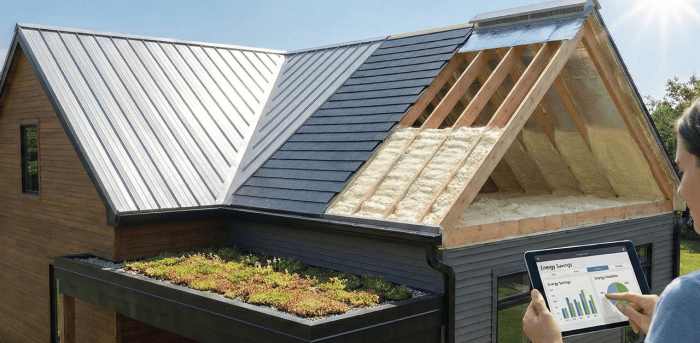
A green roof, also known as a living roof, is a sustainable option that involves planting vegetation on the roof surface. This not only helps with insulation and reducing heat absorption but also promotes biodiversity and improves air quality.
Solar Panel Roof
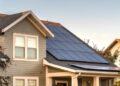
A solar panel roof utilizes photovoltaic cells to convert sunlight into electricity, making it a popular choice for renewable energy generation. This type of roof plan is especially effective in sunny climates where there is ample sunlight throughout the year.
Cool Roof
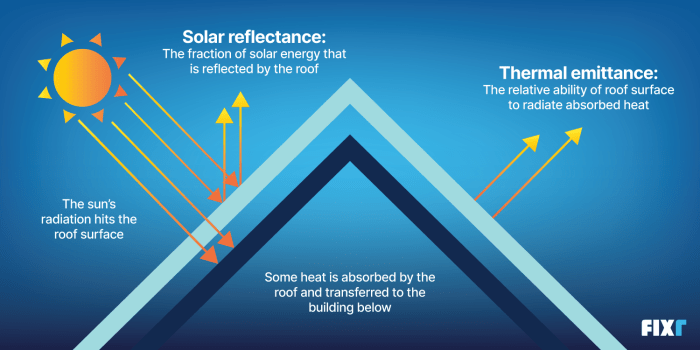
A cool roof is designed to reflect sunlight and absorb less heat, helping to reduce indoor temperatures and energy consumption. This type of roof plan is ideal for hot climates where cooling costs can be significant.
Greenhouse Roof
A greenhouse roof incorporates glass or transparent materials to allow sunlight to enter the building, creating a warm and bright interior space. This design is perfect for colder climates where maximizing natural light and heat gain is essential.
Examples of Successful High Efficiency Roof Plans
One notable example of a successful high efficiency roof plan is the California Academy of Sciences in San Francisco, which features a green roof with native vegetation that helps regulate indoor temperatures and reduce stormwater runoff. Another example is the Bahrain World Trade Center, which has integrated wind turbines into its design to generate clean energy.
Materials for High Efficiency Roof Plans
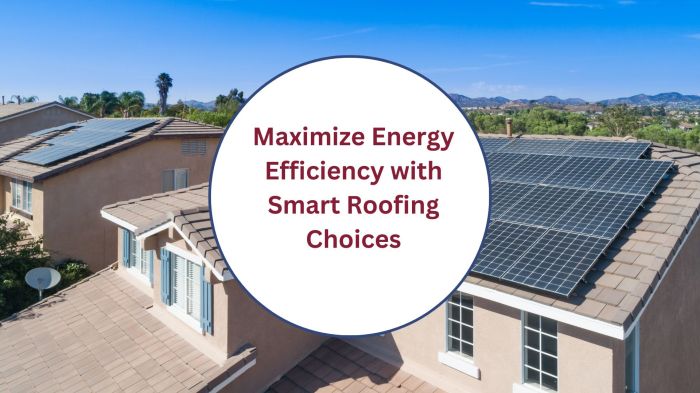
When it comes to high efficiency roof plans, choosing the right materials is crucial for achieving optimal energy savings and durability. Different roofing materials offer various advantages and disadvantages, so it's important to select the most suitable one for your specific needs.
Best Materials for High Efficiency Roofs
- Metal Roofing: Metal roofs are known for their durability, longevity, and energy efficiency. They reflect solar heat, reducing cooling costs in hot climates. However, they can be noisy during rainstorms and may require insulation to prevent heat loss.
- Solar Tiles: Solar tiles are an innovative option that combines roofing and solar panels. They generate electricity while providing protection from the elements. The initial cost may be high, but long-term savings on energy bills make them a cost-effective choice.
- Green Roofs: Green roofs are covered with vegetation, offering natural insulation and cooling benefits. They can reduce stormwater runoff and improve air quality. However, they require additional structural support and regular maintenance.
Advantages and Disadvantages of Different Roofing Materials
| Roofing Material | Advantages | Disadvantages |
|---|---|---|
| Metal Roofing | Durable, energy-efficient, long lifespan | Noisy, may require insulation |
| Solar Tiles | Generate electricity, protect from elements | High initial cost |
| Green Roofs | Natural insulation, cooling benefits | Additional structural support, maintenance |
Tips for Selecting Roofing Materials
- Consider your climate: Choose materials that are suitable for the weather conditions in your area.
- Energy efficiency: Opt for materials that help reduce heating and cooling costs.
- Longevity: Look for durable materials that require minimal maintenance and have a long lifespan.
- Budget: Determine your budget and choose materials that provide the best value over time.
Installation Techniques for High Efficiency Roof Plans
Installing a high efficiency roof requires careful planning and execution to ensure optimal performance and longevity. Below are the step-by-step process, tools and equipment needed, and best practices for a successful installation.
Step-by-Step Installation Process
- Begin by preparing the roof surface, ensuring it is clean and free of debris.
- Install proper insulation and ventilation to improve energy efficiency.
- Apply a reflective roof coating to reduce heat absorption and lower cooling costs.
- Secure the roofing materials according to manufacturer guidelines.
- Inspect the roof regularly to address any potential issues and ensure durability.
Tools and Equipment Needed
- Roofing nails or screws
- Roofing membrane or underlayment
- Roofing shingles or tiles
- Roofing adhesive or sealant
- Roofing hammer or nail gun
Best Practices for Durability
- Ensure proper drainage to prevent water pooling and potential leaks.
- Regularly clean and maintain the roof to remove debris and prevent damage.
- Inspect the roof after severe weather events to address any potential issues promptly.
- Consider adding additional insulation or reflective materials for improved energy efficiency.
Maintenance and Upkeep of High Efficiency Roof Plans
Maintaining a high efficiency roof is crucial to ensure its longevity and performance. By implementing regular maintenance tasks and addressing common issues promptly, you can maximize the benefits of your high efficiency roof plan.
Strategies for maintaining a high efficiency roof
Regular maintenance is key to preserving the efficiency and durability of your high efficiency roof. Some strategies to consider include:
- Inspecting the roof regularly for any signs of damage or wear.
- Cleaning the roof surface to remove debris, dirt, and algae growth.
- Checking and repairing any leaks or punctures to prevent water damage.
- Trimming overhanging branches that could potentially damage the roof.
- Ensuring proper insulation and ventilation to optimize energy efficiency.
Checklist of regular maintenance tasks for high efficiency roofs
Maintaining a checklist of tasks can help you stay organized and ensure that all necessary maintenance activities are completed. Some tasks to include in your checklist are:
- Bi-annual roof inspections
- Cleaning gutters and downspouts
- Checking for loose or missing shingles
- Inspecting flashing and seals
- Clearing debris from roof surface
Identifying and addressing common issues with high efficiency roof plans
Common issues that may arise with high efficiency roof plans include leaks, poor insulation, and damage due to weather conditions. It is important to address these issues promptly to prevent further damage and maintain the efficiency of your roof. Some steps to take include:
- Identifying the source of leaks and repairing them immediately.
- Improving insulation if energy efficiency is compromised.
- Repairing any damage caused by severe weather conditions.
- Consulting with a professional roofer for complex issues or repairs.
Closing Notes
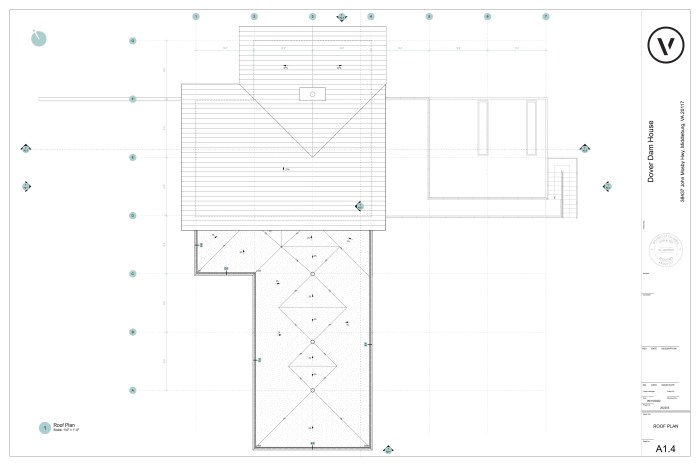
In conclusion, high efficiency roof plans are a crucial component of modern construction, offering a blend of functionality, sustainability, and aesthetic appeal. By implementing the tips and techniques Artikeld in this guide, individuals can create roofs that not only enhance energy efficiency but also contribute to a greener future.
Quick FAQs
What types of high efficiency roof plans are available?
There are various types, including green roofs, solar roofs, and cool roofs, each offering unique benefits for energy efficiency.
What are the best materials for high efficiency roofs?
Materials like metal, asphalt shingles, and clay tiles are commonly used for high efficiency roofs, each with its own advantages and considerations.
How can I ensure the longevity of a high efficiency roof?
Regular maintenance, timely repairs, and proper insulation are key factors in maximizing the lifespan of a high efficiency roof.
What are common issues that may arise with high efficiency roof plans?
Issues such as leaks, poor insulation, and damage from weather conditions can affect the performance of high efficiency roofs if not addressed promptly.