
Exploring the world of energy-efficient roofing options unveils a range of innovative materials and technologies designed to enhance sustainability and reduce energy consumption. From cool roofing technologies to insulation and ventilation strategies, the choices available are diverse and impactful. Let's delve into the realm of top energy efficient roofing options to discover how they can transform your home or building into a more eco-friendly and cost-effective space.
Energy-Efficient Roofing Materials
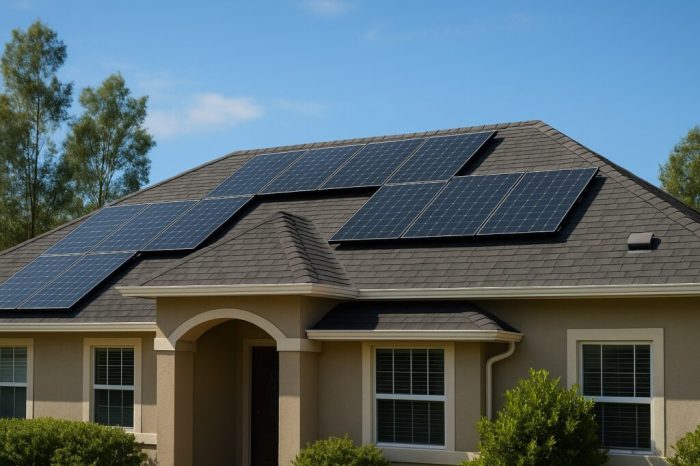
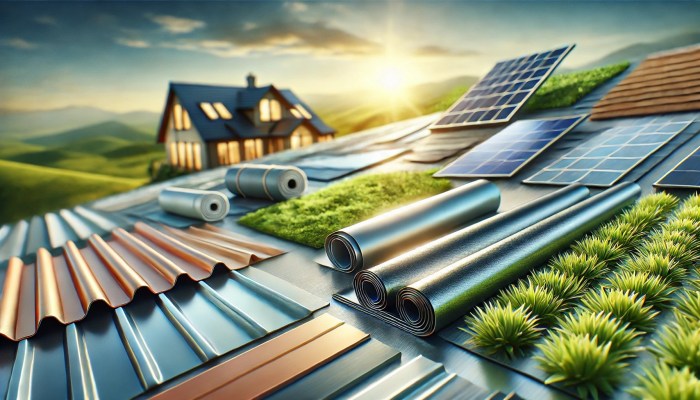
When it comes to energy-efficient roofing materials, there are several options available in the market that can help reduce energy consumption and lower utility bills. These materials are designed to provide better insulation, reduce heat transfer, and improve overall energy efficiency in homes.
Metal Roofs
Metal roofs are known for their durability and energy efficiency. They reflect solar heat, helping to keep the interior of the house cooler and reducing the need for air conditioning. Additionally, metal roofs are recyclable and can last up to 50 years, making them a sustainable choice for homeowners.
Asphalt Shingles
Asphalt shingles are one of the most popular roofing materials due to their affordability and ease of installation. While they may not be as energy-efficient as metal roofs, manufacturers have started producing asphalt shingles with improved insulation properties to enhance energy efficiency.
Tile Roofs
Tile roofs are another energy-efficient option that can help regulate indoor temperatures. They have natural insulating properties and can keep homes cooler in the summer and warmer in the winter. However, tile roofs are heavier than other materials and may require additional structural support.
Green Roofs
Green roofs, or living roofs, are becoming increasingly popular for their energy-saving benefits. These roofs are covered with vegetation, which helps reduce heat absorption and improve insulation. Green roofs can also absorb rainwater, reduce stormwater runoff, and create a more sustainable living environment.
Cool Roofing Technologies
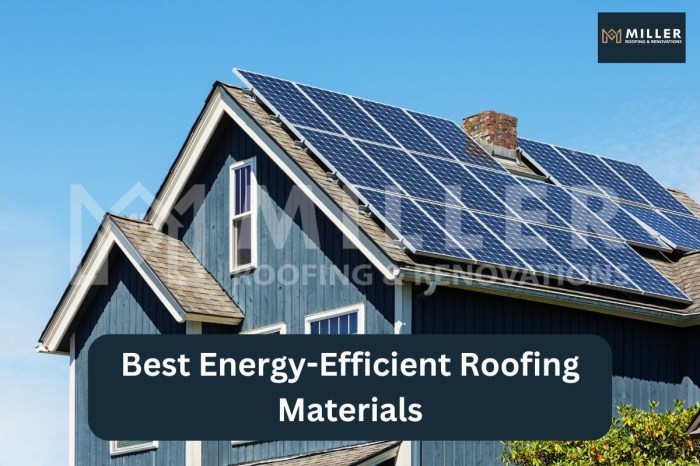
Cool roofing technologies are designed to reflect sunlight and absorb less heat compared to traditional roofing materials. This helps reduce the amount of heat transferred into the building, leading to lower indoor temperatures and decreased energy consumption.
White Roofs
White roofs, also known as cool roofs, are made of materials that have high solar reflectance and thermal emittance. They reflect sunlight and heat away from the building, reducing the need for air conditioning and lowering energy costs.
Green Roofs
Green roofs consist of a layer of vegetation planted on top of a waterproofing membrane. These roofs provide natural insulation, reduce urban heat island effect, and absorb rainwater, helping to lower indoor temperatures and improve energy efficiency.
Solar Reflective Coatings
Solar reflective coatings are applied to existing roofs to increase solar reflectance and thermal emittance. These coatings can reduce roof temperatures, decrease cooling costs, and prolong the life of the roof by protecting it from UV radiation and thermal cycling.
Insulation and Ventilation
Proper insulation and ventilation play a crucial role in maintaining energy efficiency in roofing systems. Insulation helps to regulate heat transfer, while ventilation reduces heat buildup and improves overall energy efficiency.
Insulation Materials
Insulation materials such as spray foam, cellulose, and fiberglass are commonly used in energy-efficient roofing systems. Spray foam insulation provides a seamless air barrier, reducing air leakage and heat loss. Cellulose insulation, made from recycled paper, offers excellent thermal performance and is environmentally friendly.
Fiberglass insulation is a cost-effective option that effectively reduces heat transfer.
Ventilation Importance
Ventilation in the attic space helps to remove excess heat and moisture, preventing the buildup of heat in the roofing system. Proper ventilation can extend the life of the roof, reduce energy costs, and improve indoor comfort. It also helps to prevent issues such as ice dams and mold growth.
Energy-Efficient Roofing Design
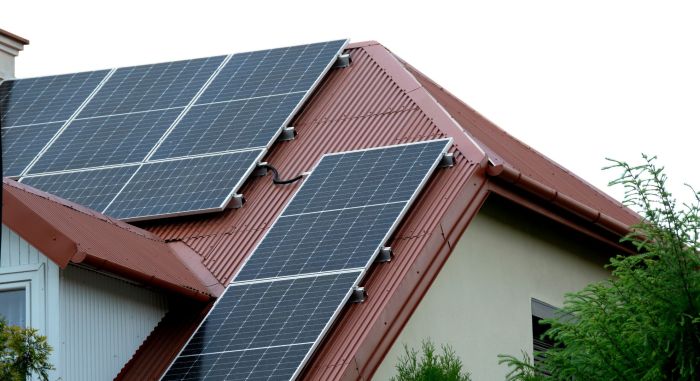
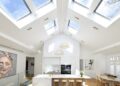
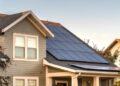
When it comes to designing energy-efficient roofs, there are key features that can greatly impact the overall efficiency of the system. Factors such as orientation, slope, and overhangs play a crucial role in maximizing natural light and airflow while minimizing energy consumption.Incorporating skylights, solar panels, or green roofing into the design can further enhance energy efficiency.
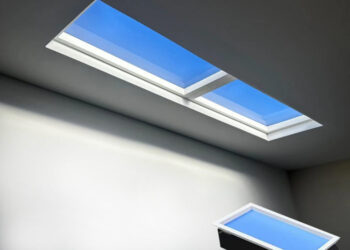
Skylights allow natural light to enter the space, reducing the need for artificial lighting during the day. Solar panels harness the power of the sun to generate electricity, reducing reliance on traditional energy sources. Green roofing involves planting vegetation on the roof, which can provide insulation and reduce heat absorption, leading to lower cooling costs.To optimize roof design for energy efficiency, it is important to consider the orientation of the roof in relation to the sun.
A south-facing orientation in the northern hemisphere can maximize sunlight exposure, while an overhang can provide shade in the summer months to reduce cooling needs. Additionally, a sloped roof can improve rainwater runoff and prevent water accumulation, increasing the lifespan of the roof.
Maximizing Natural Light and Airflow
- Utilize skylights or light tubes to bring in natural light and reduce the need for artificial lighting during the day.
- Strategically place windows and vents to encourage cross ventilation and airflow throughout the space.
- Consider using light-colored roofing materials to reflect sunlight and reduce heat absorption.
Final Summary
As we conclude our exploration of top energy efficient roofing options, it becomes evident that making informed choices about roofing materials and design can significantly impact energy efficiency and environmental sustainability. By incorporating these insights into your next roofing project, you can create a greener, more energy-efficient living or working space that benefits both your budget and the planet.
FAQ
Do different roofing materials impact energy efficiency?
Yes, materials like metal, asphalt, tile, and green roofs vary in their energy efficiency based on factors like color and reflectivity.
What are cool roofing technologies?
Cool roofing technologies include systems like white roofs, green roofs, and solar reflective coatings that help reduce energy consumption and indoor temperatures.
How does insulation contribute to energy savings?
Proper insulation using materials like spray foam, cellulose, and fiberglass plays a key role in maintaining energy efficiency by reducing heat transfer.
What design features can enhance energy efficiency in roofs?
Design elements such as orientation, slope, overhangs, skylights, solar panels, and green roofing can optimize natural light, airflow, and energy consumption.