
As we delve into the realm of top skylight integration in America, a world of architectural wonders and natural light awaits. Discover the key elements shaping modern skylight design and the transformative impact of natural light on spaces. Get ready for an enlightening journey through the realm of skylights in this engaging discussion.
In the following paragraphs, we will explore the various aspects of skylight integration, from popular designs to technological advancements, shedding light on the benefits and considerations that come with embracing this illuminating feature.
Factors Influencing Top Skylight Integration in America

Skylights are popular design elements that can significantly enhance the aesthetics and functionality of a space. In America, several factors influence the successful integration of skylights, including design elements, natural light impact, and material durability.
Key Design Elements for Skylight Integration
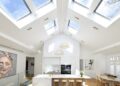
When incorporating skylights into a space, several design elements play a crucial role in ensuring their success. These include the size, placement, and shape of the skylight, as well as the surrounding architecture. Proper ventilation, shading options, and the ability to control light levels are also essential aspects to consider.
Impact of Natural Light on Ambiance and Energy Efficiency
Natural light from skylights can greatly enhance the ambiance of a space by creating a brighter and more inviting atmosphere. Additionally, harnessing natural light can reduce the need for artificial lighting, leading to improved energy efficiency and lower utility costs.
Properly positioned skylights can also help in passive solar heating during colder months, further contributing to energy savings.
Materials Used in Skylight Construction and Durability
Skylights are constructed using various materials such as glass, acrylic, and polycarbonate. The choice of material can impact the durability and performance of the skylight, especially in varying climates. Glass skylights offer excellent clarity and durability but may be prone to breakage.
Acrylic skylights are lightweight and impact-resistant, making them suitable for harsh weather conditions. Polycarbonate skylights are cost-effective and highly durable, making them a popular choice for commercial applications.
Popular Skylight Designs in America
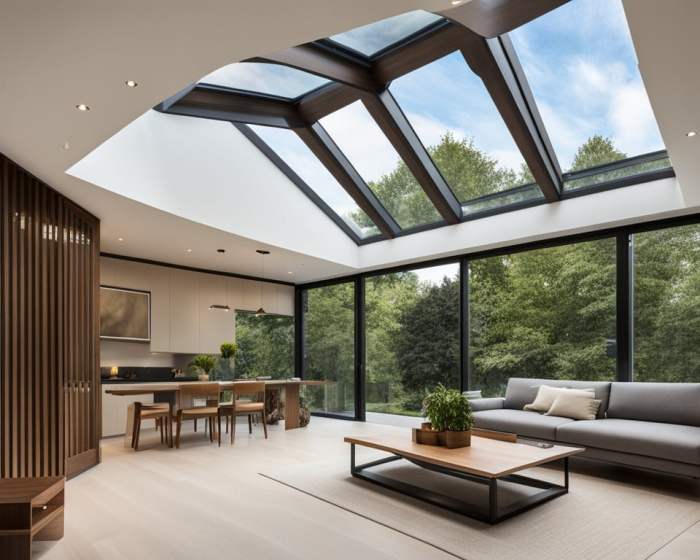
Skylights are a popular architectural feature in both residential and commercial buildings in America. They not only bring in natural light but also add a unique design element to the space.
Most Common Skylight Styles
Some of the most commonly used skylight styles in America include:
- Fixed Skylights: These are non-opening skylights that are commonly used in areas where ventilation is not a priority.
- Ventilating Skylights: These skylights can be opened to allow for natural ventilation and are often used in kitchens and bathrooms.
- Tubular Skylights: These small, cylindrical skylights are great for small spaces and can bring natural light into areas that are hard to reach with traditional skylights.
Innovative Skylight Designs
In recent years, there has been a rise in innovative skylight designs that have gained popularity. Some examples include:
- Solar-Powered Skylights: These skylights come with built-in solar panels that can power the skylight and other electrical components in the building.
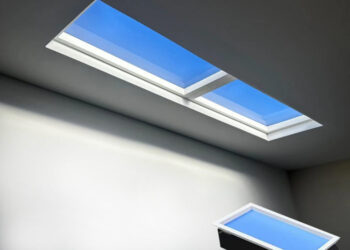
- Smart Skylights: These skylights are equipped with sensors that can automatically adjust the amount of light coming in based on the time of day and weather conditions.
Architectural Considerations
When incorporating skylights into modern structures, architects need to consider various factors such as:
- Placement: Skylights should be strategically placed to maximize natural light while minimizing heat gain and loss.
- Roof Pitch: The pitch of the roof will determine the angle at which the skylight is installed to optimize natural light penetration.
- Glazing: The type of glazing used in the skylight will impact the energy efficiency and UV protection of the space below.
Benefits of Skylight Integration
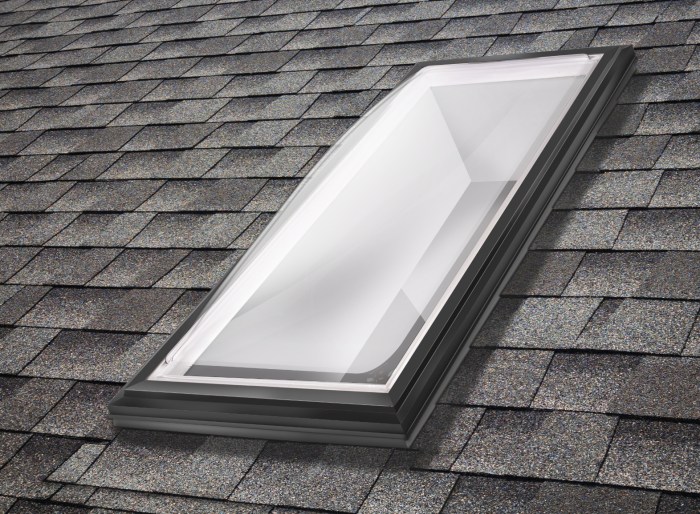
Skylights offer a myriad of benefits beyond just letting natural light into a space. Let's explore some of the advantages of integrating skylights into buildings.
Health and Well-being
- Increased exposure to natural light can improve mood and boost productivity.
- Natural light helps regulate the body's circadian rhythm, leading to better sleep patterns.
- Enhanced natural light can reduce eye strain and headaches caused by artificial lighting.
Cost-saving Benefits
- Skylights can reduce the need for artificial lighting during the day, resulting in lower energy bills.
- Less reliance on artificial lighting means reduced maintenance costs for light fixtures and bulbs.
- Improved thermal insulation from skylights can help regulate indoor temperatures, reducing heating and cooling expenses.
Aesthetic Appeal and Property Value
- Skylights add a touch of elegance and sophistication to any property, enhancing its overall aesthetic appeal.
- Natural light streaming in through skylights can highlight architectural features and interior design elements.
- Properties with skylights often command higher resale values due to the added natural light and visual appeal they provide.
Technological Advancements in Skylight Integration
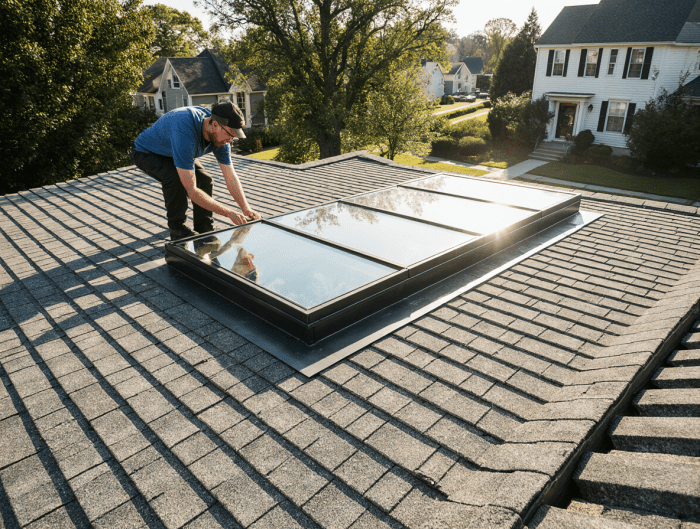
With the rapid advancements in technology, skylights have not been left behind. The integration of smart technologies has revolutionized the way skylights function, offering automation and energy efficiency like never before.
Smart Technologies in Skylights
- Smart sensors: Modern skylights are equipped with sensors that can detect changes in light, temperature, and even rain. This allows for automatic adjustment of the skylight position to optimize natural light and ventilation.
- Remote control: Some skylights can be controlled remotely through apps on smartphones or tablets, allowing users to open or close them from anywhere, providing convenience and flexibility.
- Integration with smart home systems: Skylights can now be integrated with popular smart home systems like Alexa or Google Home, enabling voice commands for opening or closing the skylight.
Motorized Skylight Systems
- Motorized blinds: Motorized skylight blinds have become popular for their ease of use and ability to control light and heat entering a room. They can be programmed to open or close at specific times for energy efficiency.
- Rain sensors: Some motorized skylights come equipped with rain sensors that automatically close the skylight when it detects rain, preventing water from entering the space.
- Energy-efficient motors: Skylight motors have become more energy-efficient, consuming less power while providing improved functionality and durability.
Sustainable Practices in Skylight Manufacturing
- Solar-powered skylights: Some skylights now come with solar panels that power the motorized systems, reducing dependence on electricity and lowering energy costs.
- Recyclable materials: Manufacturers are increasingly using recyclable materials in skylight production, reducing environmental impact and promoting sustainability.
- Efficient installation processes: Sustainable practices are also being implemented in the installation of skylights, such as minimizing waste and reducing carbon footprint during the installation process.
Closure
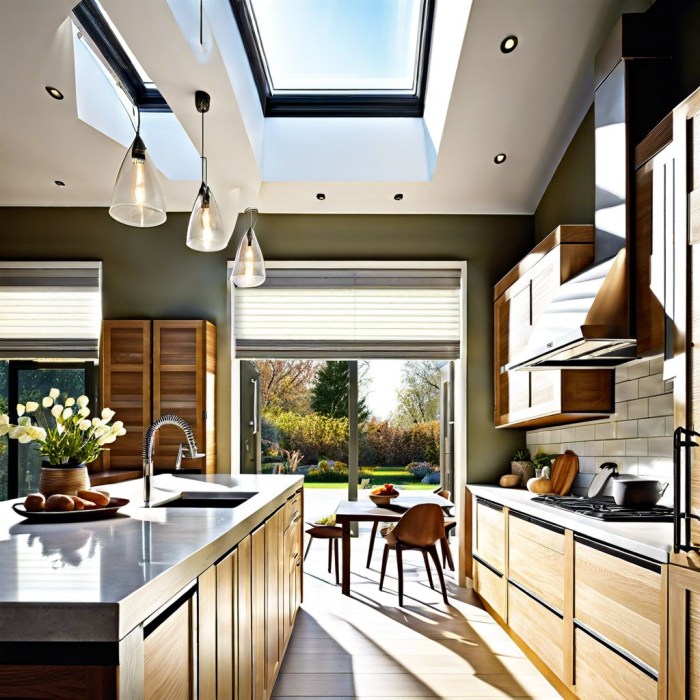
In conclusion, the interplay of design, technology, and sustainability in skylight integration showcases a bright future for architecture and interior spaces. Let the radiance of skylights continue to illuminate our lives and spaces, bringing a touch of the sky indoors.
FAQ Compilation
What are the key design elements influencing top skylight integration in America?
The key design elements include proper positioning, size, and shape of skylights to maximize natural light and enhance the aesthetics of the space.
How do skylights impact energy efficiency in a space?
Skylights reduce the need for artificial lighting during the day, leading to energy savings and a more sustainable approach to lighting design.
What are some innovative skylight designs gaining popularity?
Innovative designs like solar-powered skylights and retractable skylight systems are gaining popularity for their functionality and eco-friendly features.
How do skylights contribute to the aesthetic appeal of a property?
Skylights introduce natural light, create dynamic visual effects, and enhance the overall ambiance of a space, adding a touch of sophistication and elegance to any property.