
With avoid skylight condensation risk at the forefront, this article delves into the intricacies of maintaining a moisture-free skylight. From understanding the causes to implementing preventive measures, readers are in for an enlightening journey.
Skylight condensation can be a pesky issue for many homeowners, but with the right knowledge and actions, it can be effectively managed.
Understanding Skylight Condensation
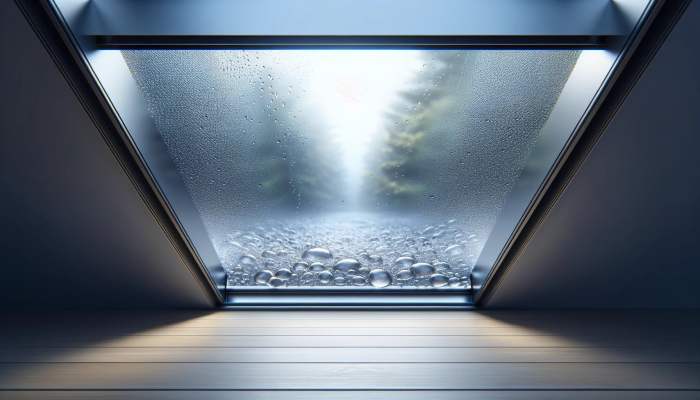
Skylight condensation refers to the build-up of moisture on the interior surface of a skylight. This can occur when warm, moist air comes into contact with a cold skylight surface, leading to the formation of water droplets.Factors that contribute to skylight condensation include temperature differentials between the interior and exterior of a building, poor ventilation, high humidity levels, and inadequate insulation around the skylight.
Potential Risks of Skylight Condensation
- Potential damage to the skylight and surrounding areas due to water accumulation.
- Risk of mold and mildew growth, which can negatively impact indoor air quality and pose health risks.
- Reduced energy efficiency as condensation can indicate heat loss through the skylight, leading to higher heating costs.
- Potential structural damage if condensation is not addressed promptly, leading to issues like rotting wood or corrosion.
Tips for Avoiding Skylight Condensation
Skylight condensation can be a common issue, but there are several strategies you can implement to reduce the risk and keep your space dry and comfortable. Proper installation and adequate ventilation play key roles in preventing condensation from forming on skylights.
Proper Skylight Installation
When it comes to avoiding skylight condensation, proper installation is crucial. Make sure your skylights are installed correctly by professionals who understand the importance of insulation and sealing. A well-installed skylight with a tight seal can help minimize the chances of condensation forming.
Adequate Ventilation
Having proper ventilation in your space is essential for reducing skylight condensation. Good ventilation helps control humidity levels, preventing moisture buildup that can lead to condensation on skylights. Consider using exhaust fans or opening windows to improve air circulation and reduce the risk of condensation.
Maintenance Practices
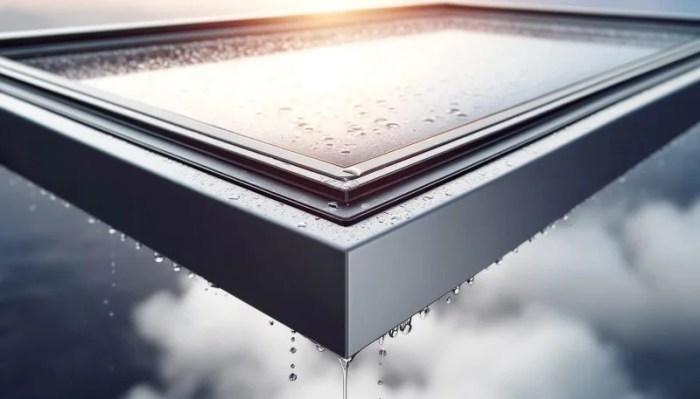
Regular maintenance is crucial in preventing skylight condensation issues. By following a few simple practices, you can minimize the risk of condensation and ensure your skylights remain in good condition.
Role of Insulation
Insulation plays a key role in minimizing condensation on skylights. Proper insulation around the skylight frame and in the surrounding roof area helps maintain consistent indoor temperatures, reducing the likelihood of condensation forming on the glass surface.
- Ensure there is adequate insulation around the skylight frame to prevent heat loss.
- Check for any gaps or leaks in the insulation that may allow warm, moist air to seep in and create condensation.
- Consider adding additional insulation in the roof area surrounding the skylight to further reduce temperature differentials.
Checking and Addressing Issues
It's important to regularly check for any existing skylight condensation issues and address them promptly to prevent further damage to your skylight and surrounding areas.
- Inspect the interior and exterior of the skylight for any signs of condensation or water accumulation.
- If condensation is present, identify the root cause, such as poor ventilation or inadequate insulation, and take corrective action.
- Consider installing a dehumidifier or improving ventilation in the room to reduce moisture levels and minimize condensation on the skylight.
Material Considerations
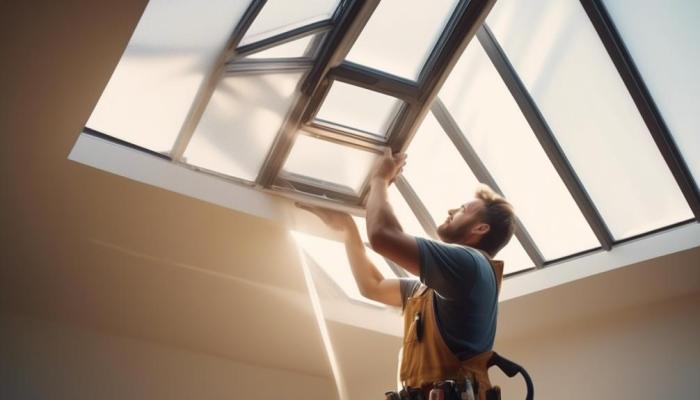
When it comes to skylights, the material used can greatly impact the risk of condensation. Different materials have varying advantages and disadvantages that need to be considered when selecting the most suitable material to avoid skylight condensation.
Comparison of Skylight Materials
- Glass Skylights:
- Advantages: Highly durable and long-lasting. Provides excellent clarity and allows maximum natural light.
- Disadvantages: Prone to condensation due to poor insulation properties. Can lead to heat loss in colder climates.
- Acrylic Skylights:
- Advantages: Lightweight and less prone to condensation compared to glass. Offers good insulation properties.
- Disadvantages: Susceptible to scratches and may discolor over time with exposure to UV rays.
- Polycarbonate Skylights:
- Advantages: Impact-resistant and provides good insulation. Offers UV protection and is more affordable than glass.
- Disadvantages: Can scratch easily and may not have the same clarity as glass or acrylic.
Recommendations for Selecting Skylight Material
- Consider the climate of your region: Choose a material that offers adequate insulation to prevent condensation based on the local climate.
- Think about durability: Select a material that is durable and long-lasting to avoid frequent replacements that can disrupt the building envelope.
- Consult with a professional: Seek advice from skylight experts or contractors to determine the best material for your specific needs and budget.
Closure
In conclusion, staying on top of skylight maintenance and making informed decisions on materials can significantly reduce the risk of condensation. By following the tips Artikeld in this article, you can enjoy a clear and dry view through your skylight for years to come.
Questions Often Asked
How can I reduce skylight condensation?
To reduce skylight condensation, ensure proper ventilation, maintain adequate insulation, and choose appropriate materials that minimize moisture buildup.
What are the risks associated with skylight condensation?
Skylight condensation can lead to mold growth, water damage, and reduced indoor air quality if not addressed promptly.
Is skylight condensation preventable?
While it may not be entirely preventable, taking proactive maintenance measures and using suitable materials can significantly reduce the risk of skylight condensation.