
Exploring the realm of energy-efficient roofing on a budget opens up a world of possibilities. From innovative materials to cost-effective strategies, this topic delves into the importance of saving energy while saving money. Let's uncover the secrets to achieving an eco-friendly and wallet-friendly roof upgrade.
In this comprehensive guide, we will cover various types of energy-efficient roofing materials, cost-effective strategies, DIY projects, and much more. Get ready to revolutionize your roof with efficiency and affordability in mind.
Introduction to Energy Efficient Roofing on a Budget
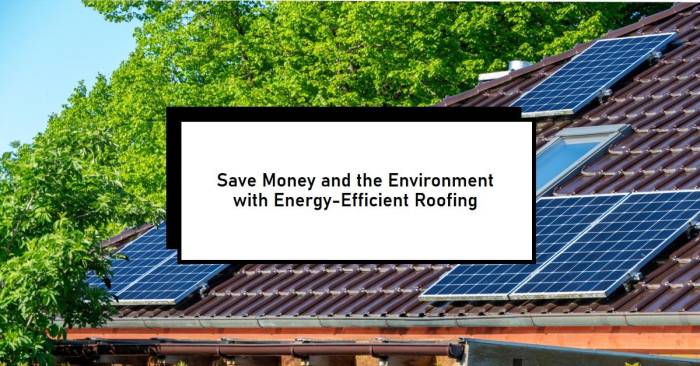
Energy-efficient roofing refers to the use of materials and technologies that help reduce energy consumption in a building by maintaining a stable indoor temperature and reducing the need for heating and cooling systems.
Energy efficiency in roofing is crucial as it can significantly lower energy costs for homeowners, reduce the carbon footprint of a building, and contribute to a more sustainable environment.
Benefits of Choosing Energy-Efficient Roofing Options
- Lower Energy Bills: Energy-efficient roofing can help reduce heating and cooling costs, leading to significant savings on energy bills over time.
- Improved Comfort: By providing better insulation and temperature regulation, energy-efficient roofing can create a more comfortable indoor environment all year round.
- Long-Term Savings: While energy-efficient roofing may require a higher initial investment, the long-term savings on energy bills often outweigh the upfront costs.
- Environmental Impact: Energy-efficient roofing helps reduce greenhouse gas emissions and promotes sustainability by decreasing the demand for energy from non-renewable sources.
- Incentives and Rebates: Many government programs and utility companies offer incentives or rebates for installing energy-efficient roofing, making it a cost-effective choice for homeowners.
Types of Energy Efficient Roofing Materials
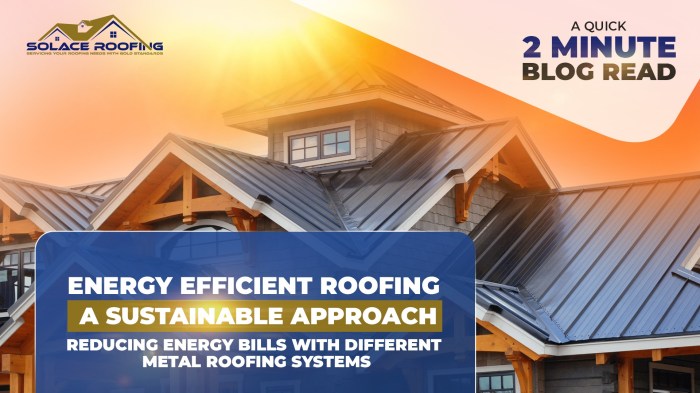
When it comes to energy-efficient roofing materials, there are several options available that can help reduce energy consumption and lower utility bills. Let's explore some of the different types of energy-efficient roofing materials, comparing their cost-effectiveness, durability, and sustainability.
1. Metal Roofing
Metal roofing is a popular choice for energy efficiency due to its reflective properties that help reduce heat absorption. While the initial cost of metal roofing may be higher than traditional materials, it is highly durable and can last up to 50 years or more with minimal maintenance.
Additionally, metal roofing is recyclable, making it a sustainable option for eco-conscious homeowners.
2. Asphalt Shingles with Cool Roof Coating
Asphalt shingles with cool roof coating are another energy-efficient option that helps reflect sunlight and reduce heat transfer into the building. Cool roof coatings can be applied to existing asphalt shingles to enhance their energy efficiency without the need for a full roof replacement.
While the cost-effectiveness of this option may vary depending on the size of the roof and the quality of the coating, it can provide significant energy savings over time.
3. Clay or Concrete Tiles
Clay or concrete tiles are known for their durability and thermal mass properties, which help regulate indoor temperatures and reduce the need for heating and cooling. While the initial cost of clay or concrete tiles may be higher than other roofing materials, they are long-lasting and require minimal maintenance.
Additionally, these materials are sustainable and can be recycled at the end of their lifespan.
4. Green Roof Systems
Green roof systems involve the installation of vegetation on the roof surface, providing natural insulation and reducing heat absorption. While the upfront cost of green roof systems may be higher than traditional roofing materials, they offer long-term energy savings, improved air quality, and enhanced aesthetic appeal.
Green roof systems are also environmentally friendly, reducing stormwater runoff and urban heat island effect.
Cost-Effective Strategies for Energy Efficient Roofing
Energy-efficient roofing doesn't have to break the bank. There are several strategies you can implement to make your roof more energy-efficient while staying within your budget.
Comparing Installation Costs
When considering the cost of energy-efficient roofing materials compared to traditional options, it's essential to look at the long-term benefits. While the initial installation cost of energy-efficient materials may be higher, the potential savings on energy bills over time can offset this initial investment.
- Energy-efficient roofing materials such as metal roofs or cool roofs may have a higher upfront cost compared to traditional asphalt shingles.
- However, these materials are designed to reflect sunlight and reduce heat absorption, leading to lower cooling costs in the long run.
- Consider the lifespan of energy-efficient roofing materials as well. While traditional roofs may need to be replaced more frequently, energy-efficient options can last longer, leading to overall cost savings.
Potential Long-Term Savings
Investing in energy-efficient roofing can result in significant long-term savings for homeowners.
- Lower energy bills: Energy-efficient roofing can help reduce the need for excessive air conditioning during hot months, resulting in lower cooling costs.
- Extended lifespan: Energy-efficient roofing materials are often more durable and can last longer than traditional options, reducing the need for frequent repairs or replacements.
- Incentives and rebates: Many local governments and utility companies offer incentives or rebates for installing energy-efficient roofing, further offsetting the initial cost.
DIY Energy Efficient Roofing Projects
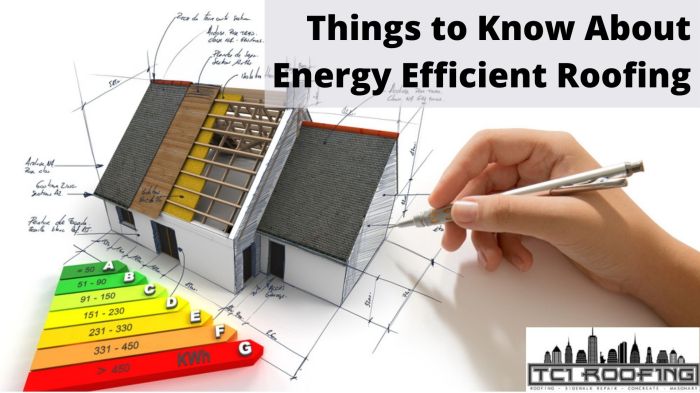
When it comes to improving the energy efficiency of your roof, there are several DIY projects that you can undertake without breaking the bank. These projects can help you save on energy costs and make your home more eco-friendly.
Installing Solar Panels
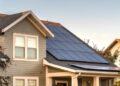
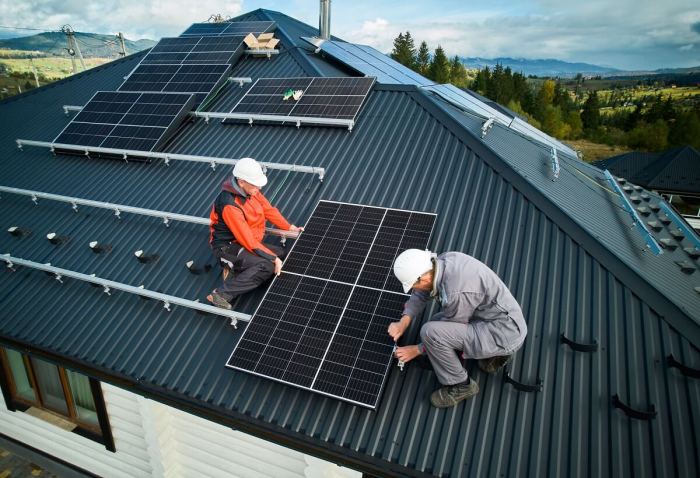
One of the most popular DIY projects for energy-efficient roofing is installing solar panels. Solar panels can help you harness the power of the sun to generate electricity for your home. Here are the steps to follow:
- Research and purchase the appropriate solar panels for your roof size and energy needs.
- Locate the best spot on your roof with maximum sun exposure throughout the day.
- Install mounting brackets securely onto your roof.
- Attach the solar panels to the mounting brackets and connect them to an inverter for electricity conversion.
- Consult a professional electrician to connect the solar panels to your home's electrical system.
Tip: Make sure to check for any local regulations or permits required before installing solar panels on your roof.
Adding Insulation
Another great DIY project for improving energy efficiency is adding insulation to your roof. Proper insulation can help regulate indoor temperature and reduce the need for heating or cooling. Here's how to do it:
- Determine the type and amount of insulation needed for your roof.
- Clean out any debris or dust from the attic or roof space.
- Install insulation material evenly across the roof, ensuring no gaps or spaces are left uncovered.
- Seal any cracks or leaks in the roof to prevent heat loss.
Tip: Consider using eco-friendly insulation materials like recycled denim or cellulose for a sustainable option.
Sealing Leaks and Gaps
One of the simplest DIY projects to improve energy efficiency is sealing leaks and gaps in your roof. These small openings can allow heat to escape or enter, affecting your home's temperature. Follow these steps to seal leaks and gaps:
- Inspect your roof for any visible cracks, holes, or gaps.
- Use caulking or weatherstripping to seal the leaks and gaps effectively.
- Check for any gaps around windows, doors, and vents that may also contribute to energy loss.
Tip: Regularly inspect and maintain your roof to prevent new leaks or gaps from forming over time.
Final Summary
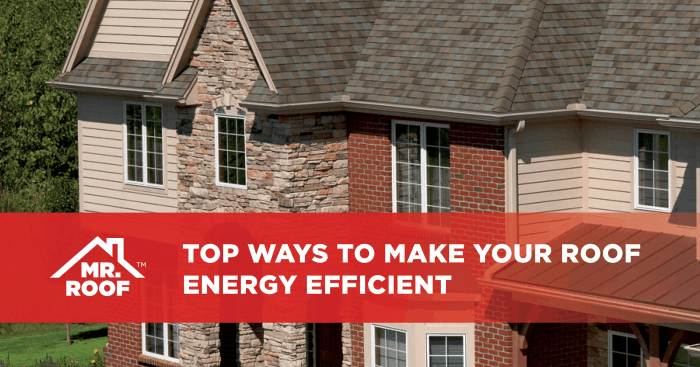
As we conclude our journey through the realm of energy efficient roofing on a budget, remember that making environmentally conscious choices doesn't have to break the bank. By implementing the tips and insights shared in this guide, you can transform your roof into a sustainable and cost-effective asset for years to come.
Top FAQs
What are the key benefits of energy-efficient roofing?
Energy-efficient roofing can lower energy bills, reduce environmental impact, and increase the overall comfort of your home by maintaining consistent temperatures.
How can I make energy-efficient roofing affordable?
You can explore options like tax credits, rebates, and choosing cost-effective materials to make energy-efficient roofing more budget-friendly.
What DIY projects can improve the energy efficiency of a roof?
Projects like adding insulation, sealing air leaks, and installing reflective roof coatings can enhance the energy efficiency of your roof.