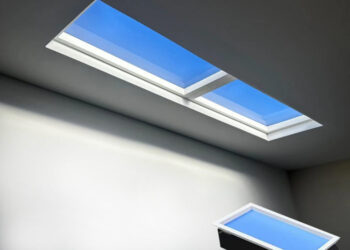

Skylights are a popular architectural feature that can enhance natural light in buildings, but they also pose challenges in terms of thermal loss. In this discussion on managing skylight thermal loss, we will explore the various factors contributing to this issue and effective strategies to address it.
From insulation materials to maintenance tips, this guide aims to provide comprehensive insights for improving energy efficiency in buildings with skylights.
Understanding Skylight Thermal Loss
Skylight thermal loss refers to the heat that escapes from a building through its skylights, leading to energy inefficiency and increased heating costs. It is crucial to manage skylight thermal loss to maintain a comfortable indoor temperature and reduce energy consumption.
Factors Contributing to Skylight Thermal Loss
- Poor insulation around skylights
- Inefficient glazing materials
- Lack of proper shading or blinds
- Size and orientation of skylights
Impact on Energy Efficiency
Skylight thermal loss can have a significant impact on the overall energy efficiency of a building. When heat escapes through skylights during colder months, the HVAC system needs to work harder to maintain a consistent temperature, leading to increased energy consumption and higher utility bills.
In warmer months, excessive heat gain through skylights can result in higher cooling costs as well.
Strategies to Manage Skylight Thermal Loss

Proper management of skylight thermal loss is essential to improve energy efficiency and maintain indoor comfort levels. By implementing effective strategies, homeowners can reduce heat transfer and minimize energy wastage.
Insulation and Sealing
Proper insulation and sealing around skylights play a crucial role in minimizing thermal loss. Without adequate insulation, heat can easily escape during colder months and enter during warmer months, leading to increased energy consumption. It is important to ensure that skylights are properly insulated and sealed to prevent air leakage and maintain a consistent indoor temperature.
- Use high-quality insulation materials around skylights to reduce heat transfer.
- Check for any gaps or cracks and seal them properly to prevent air leakage.
- Consider installing double or triple-pane skylights with low-emissivity coatings for better insulation.
Energy-Efficient Skylight Designs
Selecting energy-efficient skylight designs is another effective way to minimize thermal loss. Energy-efficient skylights are specifically designed to reduce heat transfer and improve insulation, ultimately helping homeowners save on energy costs.
- Choose skylights with insulated frames and glazing to improve thermal performance.
- Opt for skylights with low U-values and high solar heat gain coefficients for better energy efficiency.
- Consider installing skylights with built-in shades or blinds to control heat gain and loss.
Materials and Technologies for Insulating Skylights
Skylights can be a significant source of thermal loss in buildings, leading to increased energy consumption and discomfort. Choosing the right insulation materials and technologies is crucial in reducing this heat transfer and improving energy efficiency.
Comparison of Insulation Materials
- Fiberglass Insulation: Commonly used for skylight insulation, fiberglass is affordable and offers good thermal resistance. However, it can lose effectiveness if compressed or exposed to moisture.
- Spray Foam Insulation: Provides excellent coverage and seals air leaks effectively. It has a high R-value but can be more expensive compared to other materials.
- Cellulose Insulation: Made from recycled paper and treated with fire-retardant chemicals, cellulose insulation is eco-friendly and offers good thermal performance.
Benefits and Drawbacks of Double-Glazed and Low-Emissivity Coated Skylights
- Double-Glazed Skylights: Consist of two layers of glass with a space filled with inert gas. They provide better insulation and reduce heat transfer. However, they can be costly to install.
- Low-Emissivity Coated Skylights: These skylights have a special coating that reflects heat while allowing light to pass through. They help in maintaining indoor temperatures but may be less effective in extreme climates.
Innovative Technologies for Skylight Insulation
- Smart Glass: Uses electrochromic technology to adjust tint levels based on sunlight exposure, reducing heat gain and loss.
- Vacuum Insulated Glass: Consists of two glass panes separated by a vacuum layer, offering superior thermal performance compared to traditional double-glazed windows.
- Aerogel Insulation: A highly effective insulating material with a low thermal conductivity, aerogel helps in reducing heat transfer while allowing natural light to enter.
Maintenance and Monitoring of Skylight Thermal Performance
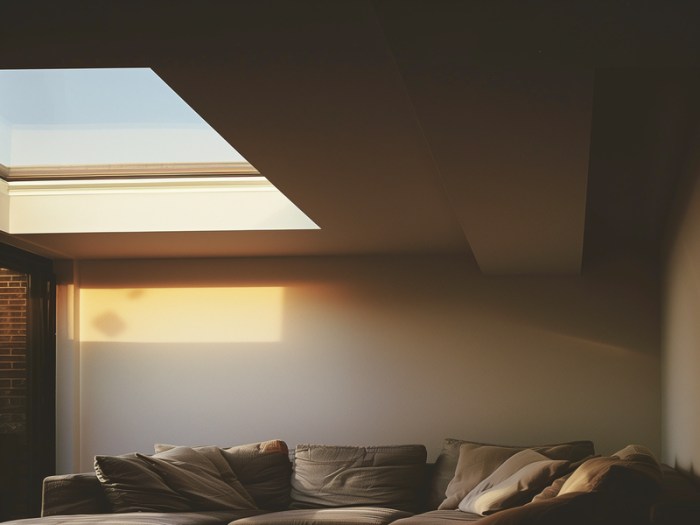
Proper maintenance and regular monitoring are crucial for ensuring the optimal thermal efficiency of skylights in a building.
Routine Maintenance Schedule
Establishing a routine maintenance schedule is essential to keep skylights in top condition. This schedule should include tasks such as cleaning, checking for leaks, and inspecting seals and gaskets.
Importance of Regular Inspections
Regular inspections help identify any potential issues that may be causing thermal loss, such as gaps in insulation or damaged seals. Addressing these issues promptly can prevent energy wastage and maintain a comfortable indoor environment.
Monitoring and Assessing Thermal Performance
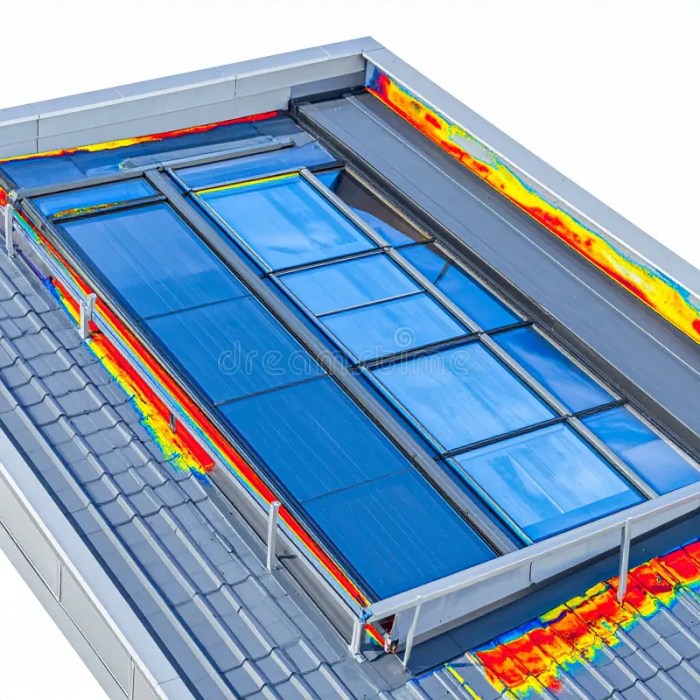
Monitoring the thermal performance of skylights over time can be done through various methods, including infrared thermography to detect heat loss, checking for condensation or frost buildup, and conducting energy audits to assess overall energy efficiency.
Epilogue
In conclusion, understanding and efficiently managing skylight thermal loss is crucial for maintaining a comfortable and energy-efficient indoor environment. By implementing the right strategies and technologies, you can minimize heat loss through skylights and optimize the overall thermal performance of your building.
Stay informed and proactive in addressing thermal challenges posed by skylights for a more sustainable future.
FAQ Corner
What are the main factors contributing to skylight thermal loss?
The main factors include poor insulation, inefficient design, and lack of proper sealing around skylights.
How can I identify if my skylights are causing thermal loss issues?
You can look for signs such as drafts, temperature fluctuations, and increased energy bills, indicating potential thermal loss problems.
What are some energy-efficient skylight designs to consider?
Consider skylights with double-glazing, low-emissivity coatings, or insulated frames to minimize thermal loss.